Junior Model School Mianwali
I was born in Lahore but my father owned a bus system based out of Mianwali so we moved to Mianwali and my earliest education started there.
I don't quite know what it looks like now, but Junior Model School in those days was a typical small town Pakistani school. It was the ONLY "English Medium" school in the city. They took me in in class I, directly because my mother, an obsessive and strong willed young woman at the time had taught me a little too much for my age.
Mianwali was a very simple town in very simple times.

We had a car but cars were not used to drop kids off to school. Instead, a tanga or a horse drawn carriage came to our house early in the morning and picked up me up for school. There would already be a few students in there and the fun journey to school started. I don't exactly remember what we did on that journey except that the tanga driver would keep asking us to behave and to sit still. Of course we would do anything but! We would envy the bigger kids who were allowed to stand on the step like the boy in this picture. One day, when I grow older, I will stand on that step like that, I thought to myself.
Just short of the famous Mianwali canal, the tanga would turn left and arrive at the school gate where many other tangas would be dropping off other students.
The school assembly was a typical "lab pe aati hai dua" to quomi tarana affair and then the classes would begin.
I learnt English at school. We did not speak English in the house in those days ... we spoke Urdu. I refuse to speak English to my kids in the house even today. My early English education was in that school. I remember my parents were very amused when I translated the phrase "well done" to "کنواں کیا ". If you cannot read Urdu (pity), it was the other "well", the noun, the one with water. Don't laugh I was only 4.

Then there was the takhti writing. Takhti was a wooden tablet that you practiced your Urdu calligraphy on. I was really bad at it. Still am. Never could learn calligraphy. My father was so good at it. He tried to teach me but I just could not get any better at it.
Preparing the takhti was an intricate affair. You would wash it, and then cover both sides with a very thin and even coating of fine clay mud and then let it dry. You would then use reed pens dipped in ink to write on it. When you went home, one of the things you had to do was to wash out the clay and therefore the writing on it and re-coat your takhti with another layer of smooth fresh clay. I can almost smell the Multani clay even as I write this.
Takhti was also used for practicing your swordsman skills after school. I ended up breaking mine at least once a week in those sword plays.
In the half time (break) we played kho kho. It was a game which involved two teams each trying to catch a player from the other team and put him in a jail guarded by a couple of men. A player from the other team could break out his fellows by dodging the guards and touching the captured players while shouting "KHO!!!" We debated if it was "go go" and not "kho kho". Where ever the name came from, the game was a lot of fun and it was the closest thing to a game of tackle.

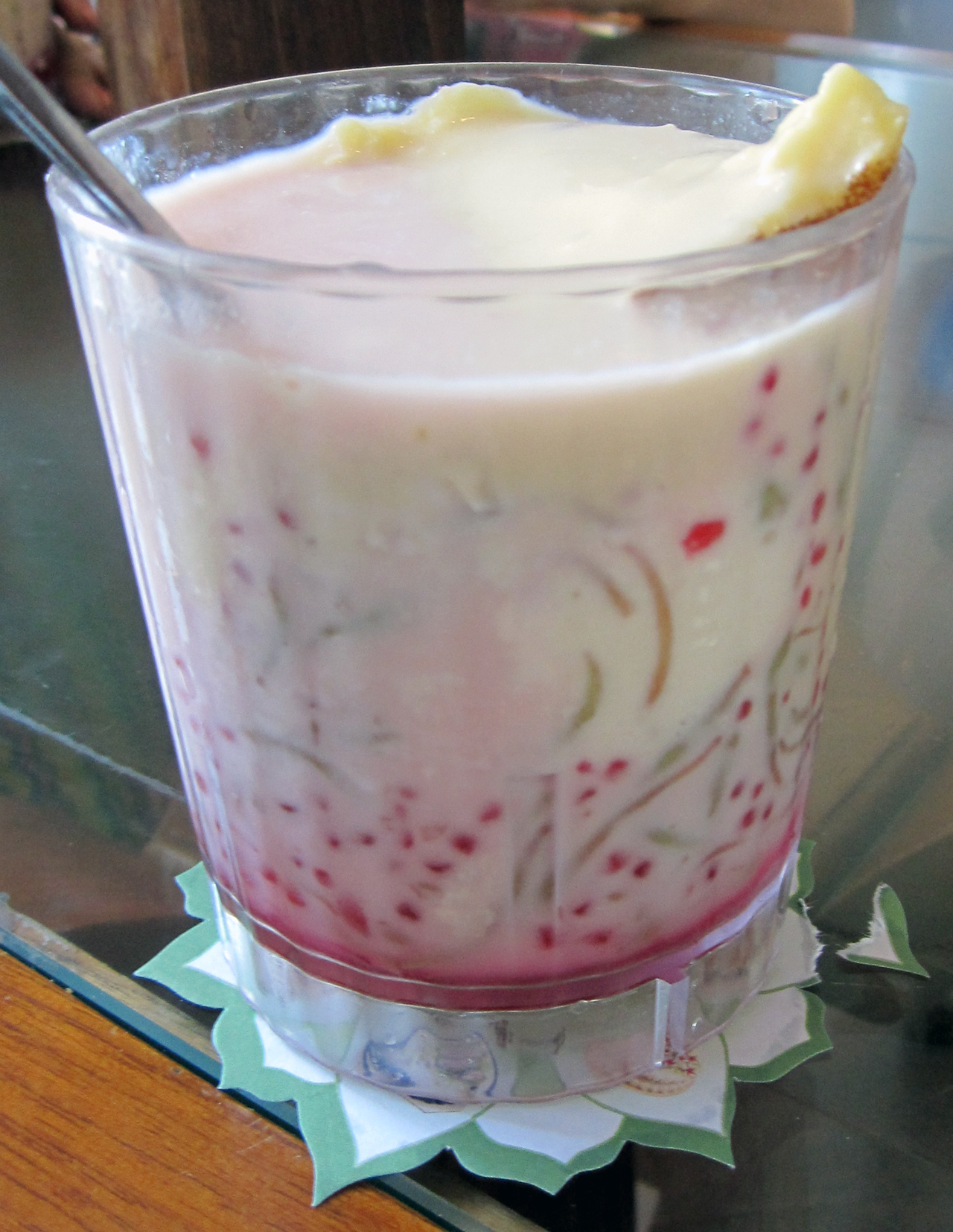
In the evenings, one of my uncles, Chacha Anwar, Chacha Aslam or Chacha Afzal would take me for a walk to the main bazar. I was full of questions and very inquisitive. We would grab some faloodah and then walk to the station chowk. We would time it so we could catch a train crossing the town. I loved mall garis (goods trains) because they went on for ever.
By the time we got home, I would be tired and ready for bed. We slept indoors in the winters and in the court yard in the summers where a couple of strategically placed pedestal fans would keep us cool during the night. I remember that even in the summers, the nights would be cool and we would need a thin sheet to sleep under.
The night sky was bright and vivid. Full of millions upon millions of stars. My father knew his stars. He would teach me and my brother Ali about the Great Dipper and the North Star and the Venus and the Milky Way. My father was very good at science and maths and he taught me my foundation sciences.
As I close this, I can't help but wonder why life was so much happier in those days when there were such fewer needs and people were so much simpler. Why was riding to school on a tanga more fun than the drive to work in my Cadillac Escalade today? Why did a reed pen on a wodden tablet feel so much smoother than my Motegrappa today? Why did the faloodah of Mianwali main bazar taste so much heavenlier than the best gelato around today? And why did sleeping under the night sky with a couple of pedestal fans bring so much more peaceful a sleep than my central air-conditioning today?
I am not certain of the answer but I suspect it had to do with the person I was and the people that I used to be with. The tanga journey would be nothing without my friends. The pen on the wooden tablet and the night sky would be nothing without my father. The faloodah would be nothing without my Chacha Anwer or Chacha Aslam or Chacha Afzal and the pedestal would not bring on a peaceful sleep if it were not in the knowledge that I was sleeping safe between people who loved me to bits.
Goodnight ...


 He refused to be ordinary. Ever since I had known him, he lived larger than life. We were in the same class but it was him who always shined. He was the Head Prefect, started every school day with a recitation from Quran in the school assembly, was always front and center in school plays and na'at events, contributed actively to the school magazine and was the teachers' pet. In the fabled words of Sir Hashmi, he truly was "Model School ka Model Bacha". Everyone in the school knew him and looked up to him.

.jpg/320px-Wide_Field_Imager_view_of_part_of_the_bulge_of_the_Milky_Way_(wallpaper).jpg)

